Roof Joints That Actually Shed Water
Flashing Installation and Repair in Whippany for leaks where chimneys meet roofing and water stains on interior walls
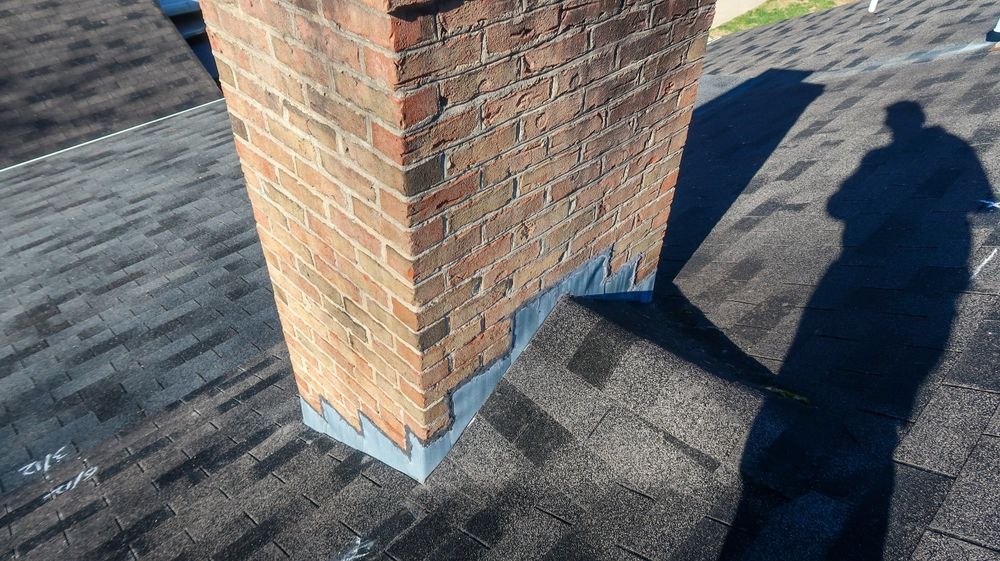
Chimney flashing fails when water finds its way under bent metal, through cracked sealant, or behind masonry that has pulled away from the roofline—problems that escalate quickly during North Jersey winters when freeze-thaw cycles widen gaps and snowmelt saturates everything it touches. You notice the damage as ceiling stains, damp walls near the chimney, or visible rust streaks running down brickwork after rainstorms. Michael's Chimney and Masonry Contractors LLC installs and repairs chimney flashing across Whippany and Morris County, sealing the joint where vertical masonry meets sloped roofing with layered metal and weatherproof materials that redirect water away from vulnerable intersections.
Flashing consists of base metal embedded into the chimney mortar joints and step flashing woven into shingle courses, with counter flashing layered over the top to create a water-shedding overlap that prevents infiltration even when wind-driven rain hits the joint at steep angles. Sealant alone never works long-term because thermal expansion cracks it within seasons, while properly installed metal flashing flexes with temperature changes and maintains its seal for decades.
Request a roof-to-chimney joint inspection to identify where water is entering and what repair approach will stop further interior damage.
Water enters at the chimney-roof joint when original flashing was installed without counter flashing, when roofers pulled out step flashing during shingle replacement and never reinstalled it correctly, or when freeze-thaw movement opened gaps between the metal and masonry that allow melt and rain to run straight down into wall cavities. Each winter season in Morris County makes the problem worse as ice dams force water under compromised flashing and saturate wall framing that won't dry out until spring.
After flashing installation, water runs off the chimney sides and onto the roof surface without penetrating the joint, ceiling stains stop growing, and damp odors near the chimney disappear as wall cavities dry out. The metal remains concealed under counter flashing and shingles so the repair blends with your roofline rather than standing out as visible patches or sealant beads that telegraph poor workmanship.
Inspection of underlying roof sheathing happens during flashing removal to identify whether water damage has rotted the decking or rafters, since soaked wood must be replaced before new flashing goes in or the repair will fail as the substrate continues to deteriorate.Integrating flashing with both chimney masonry and roof shingles requires coordination with roofing details so that step flashing sits under each shingle course and counter flashing embeds at least an inch into raked mortar joints.
Common Questions About This Service
Property owners in Whippany dealing with chimney leaks often need to understand flashing function and what repair involves before scheduling work.
What causes chimney flashing to fail in North Jersey climate?
Rain and snowmelt exploit any gap where metal doesn't overlap correctly or where sealant has cracked, with freeze-thaw cycles in Morris County winters prying metal away from masonry as ice expands in the joint and widens the opening each time temperatures drop below freezing.
How is flashing integrated with roof and chimney masonry?
Base flashing embeds into mortar joints raked to a depth of at least one inch, while step flashing weaves under individual shingle courses and counter flashing laps over the top to create a water-shedding overlap that directs runoff onto the roof surface rather than into the chimney-roof gap.
When should I repair chimney flashing rather than wait?
Repair immediately when you see water stains on interior walls near the chimney, when you notice damp odors after rainstorms, or when you observe rust streaks or efflorescence on exterior brickwork below the roofline—all signs that water is penetrating the joint and saturating wall cavities.
What does chimney flashing do and why is it important?
Flashing seals the vulnerable joint where vertical masonry interrupts the sloped roofline, redirecting water that would otherwise run down the chimney sides and into the house by creating layered metal barriers that shed moisture onto shingles before it reaches the roof deck or wall framing.
How much does chimney flashing repair and installation cost in Whippany?
Costs depend on chimney size, roof pitch, extent of underlying water damage, and whether the work can be coordinated with roofing repairs—with prices increasing when rotted sheathing or rafter damage requires structural carpentry before flashing installation can proceed.
Michael's Chimney and Masonry Contractors LLC removes failed flashing, assesses roof deck condition, and installs layered metal systems that integrate with both your chimney and roofing materials. Schedule an inspection to determine where water is entering and what repair scope will prevent further interior damage.