Prevent Water and Debris From Entering
Chimney Cap Installation in Whippany for open flues exposed to rain and animals
Open chimney flues allow water, debris, and animals to enter, and that intrusion damages the flue liner, creates blockages, and accelerates masonry deterioration from the inside. Michael's Chimney and Masonry Contractors LLC installs chimney caps across Whippany to seal the flue opening while maintaining proper ventilation for combustion gases. The cap prevents rain from pooling inside the chimney, stops birds and squirrels from nesting in the flue, and keeps leaves and branches from blocking the vent—all of which matter during North Jersey's wet seasons and when animals seek shelter as temperatures drop.
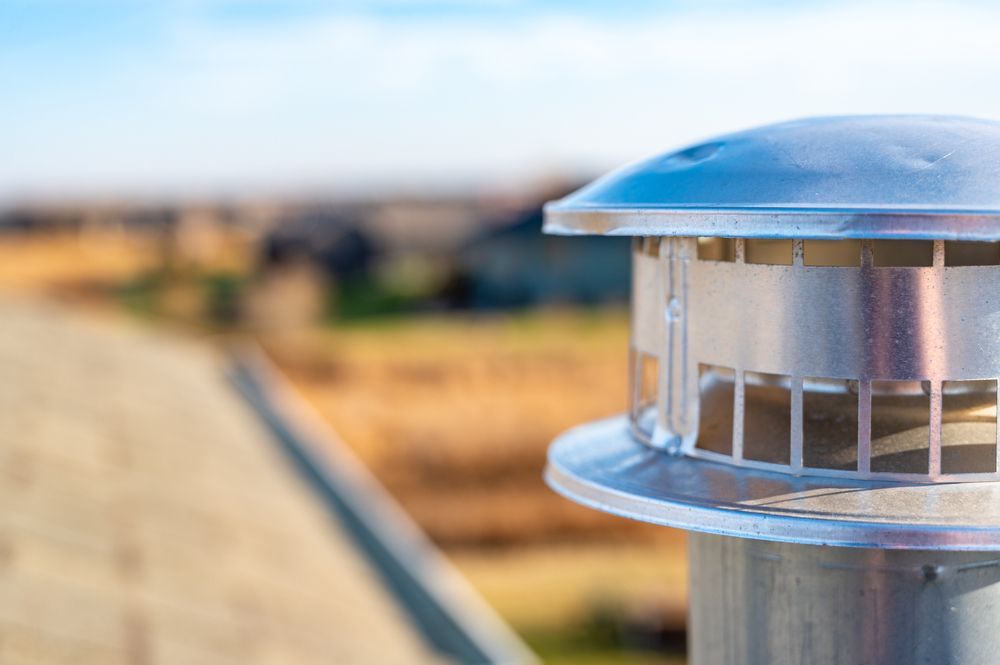
Installation involves measuring the flue opening, selecting a cap sized to fit securely, and mounting it atop the chimney so that it covers the opening without restricting airflow. Caps typically include a mesh screen that blocks debris and animals while allowing smoke to exit freely, and a raised cover that sheds water away from the flue opening.
Request a detailed estimate based on your chimney's flue dimensions and current cap condition.
The cap sits above the flue opening and diverts rain away from the interior chimney structure, preventing water from running down the flue walls and soaking into the masonry or damaging the liner. Mesh screening blocks animals from entering the flue to build nests, which can obstruct venting and create fire hazards when combustion gases can't escape. The cap also prevents wind from forcing downdrafts into the chimney, which can push smoke back into the home when you light a fire.
After installation, you'll notice that rain no longer enters the flue, water stains on interior walls near the chimney stop appearing, and animals can't access the chimney to build nests or get trapped inside. The cap doesn't require ongoing adjustment, and it functions passively to protect the flue opening from weather and intrusion as long as it remains securely mounted and undamaged.
Cap installation doesn't repair existing flue damage or clean out debris that's already inside the chimney, but it does prevent new damage from occurring once the flue is properly sealed. For Morris County homes where rain and seasonal animal activity are constant factors, the cap is a straightforward preventive measure that protects the chimney between maintenance intervals.
Questions About Chimney Caps
Property owners frequently ask about cap necessity, material options, and maintenance before deciding to install one on their chimney.
Why do I need a chimney cap?
Without a cap, rain enters the flue and damages the liner and masonry from inside, animals nest in the chimney and block venting, and debris accumulates to obstruct airflow—all of which create safety and maintenance problems.
What materials are chimney caps made from?
Caps are typically constructed from stainless steel, copper, or galvanized metal; stainless steel resists rust and lasts longest in Northeast weather conditions where moisture exposure is constant.
How is the cap secured to the chimney?
The cap mounts to the flue opening or chimney crown using brackets, screws, or clamps depending on the chimney's construction; proper installation ensures the cap stays in place during high winds and heavy rain.
Will a chimney cap affect draft or venting?
A correctly sized cap does not restrict airflow; the raised cover and open sides allow smoke to exit freely while blocking rain and debris from entering the flue opening.
How long does a chimney cap last in Whippany?
Stainless steel caps typically last 20 to 30 years in North Jersey's climate; galvanized metal caps may rust and require replacement sooner depending on exposure to moisture and salt from winter road treatments.
Michael's Chimney and Masonry Contractors LLC installs chimney caps across Morris County to protect flues from weather and animal intrusion year-round. Arrange an evaluation to confirm proper cap sizing and mounting for your chimney before the next round of seasonal rain and cold weather arrives.